Key nutrition indicators for Kakamega County based on KDHS 2022 & county data
Explore the key policy documents guiding food security and nutrition action in Kakamega County
A five-year multi-sectoral roadmap toward a malnutrition-free county, led by the Department of Health with partners including UNICEF, HKI, WVK and KMET.
Integrates nutrition into the agriculture sector through seven priority focus areas, led by the Department of Agriculture with support from USAID and Save the Children.
Makes the economic case for scaling up nutrition investment, with every shilling returning eight in benefits (BCR of 8:1).
Promotes optimal maternal, infant and young child nutrition in the first 1,000 days through social and behaviour change communication.
Kakamega County is located in the former Western Province of Kenya, approximately 30km north of the equator. It borders Vihiga County to the South, Siaya County to the West, Bungoma and Trans Nzoia counties to the North, and Nandi and Uasin Gishu counties to the East. The county covers an area of 3,033.8 km² with its capital and largest town being Kakamega.
As per the 2019 Kenya Population and Housing Census, Kakamega County had a total population of 1,867,579 people, of which 897,133 are males, 970,406 are females and 40 intersex persons. There are 433,207 households with an average size of 4.3 persons per household and a population density of 618 people per square kilometre.
The county has an altitude ranging from 1,240m to 2,000m above sea level. Rainfall is almost uniformly distributed with annual rainfall ranging from 1,280mm to 2,214mm. The temperature range is 18°C to 29°C. Agriculture is the backbone of the county, contributing to 65% of the county’s GDP, with maize as the staple food and sugarcane as a key cash crop.
Kakamega County faces a triple burden of malnutrition due to food shortages and inadequate dietary diversity. According to the 2021 Agricultural Policy, food insecurity stands at 33%, with 60% of households unable to access minimum diverse diets. Stunting levels among children under five stand at 11.5%, with wasting and underweight levels at 2% and 5% respectively (KDHS, 2022). HIV prevalence is at 4.0%, lower than the national 5.9%.
The Kakamega County approach seeks to achieve three main results
Create capacity within county institutions to operate and maintain a County Information Platform for Food and Nutrition Security.
Strengthen capacity to track progress in meeting county objectives to prevent undernutrition and monitor nutrition investments.
Build the capacity of county policy makers and programme planners to make better use of evidence in designing and implementing nutrition-related policies and programmes.
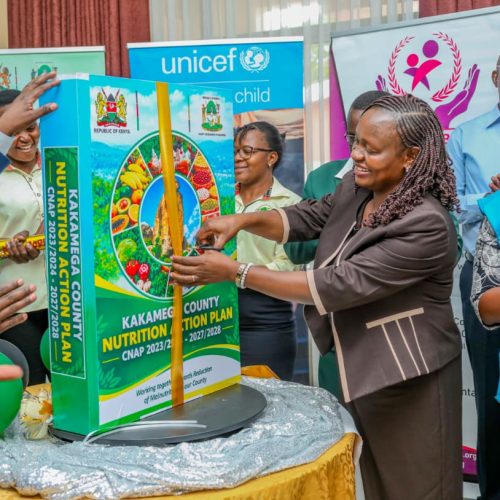
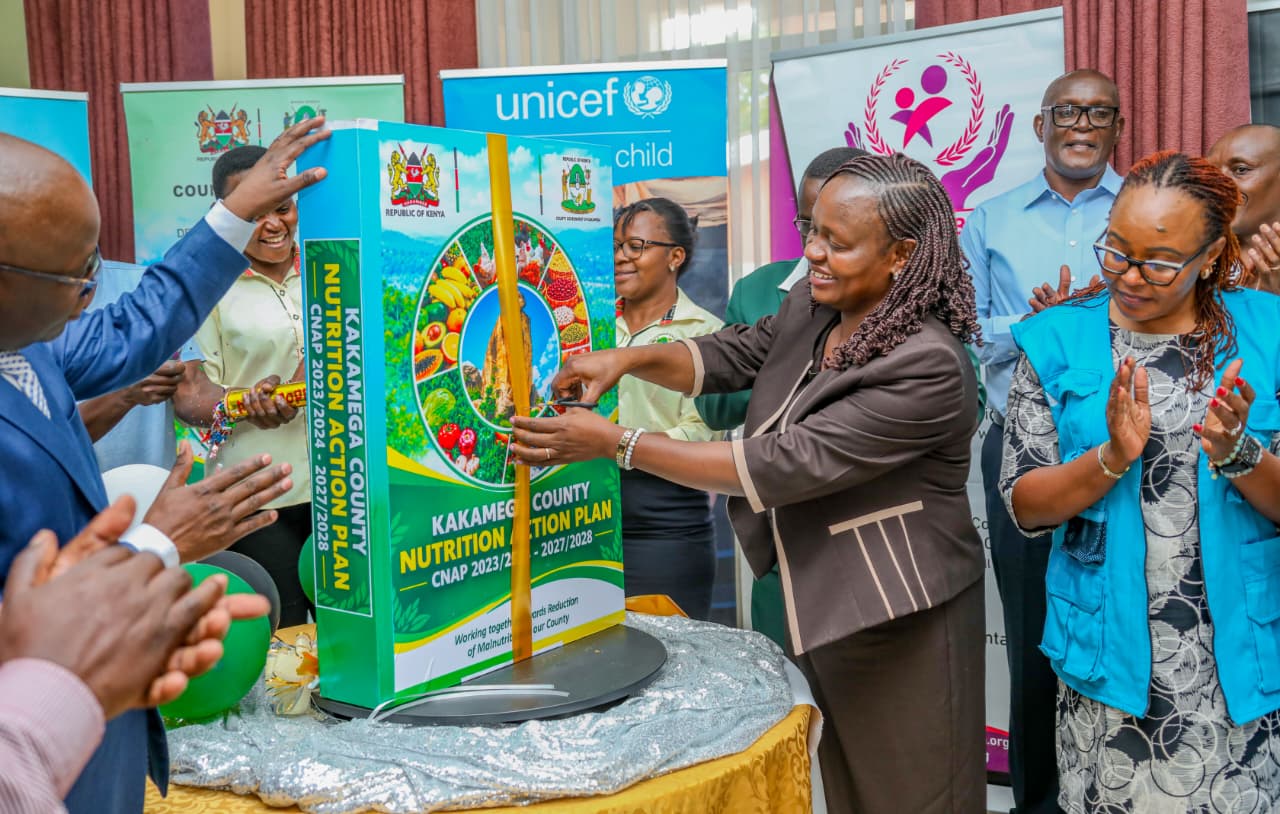
The County Government of Kakamega has launched the County Nutrition Action Plan (CNAP) 2023/2024–2027/2028 and the Kakamega County Nutrition Information...
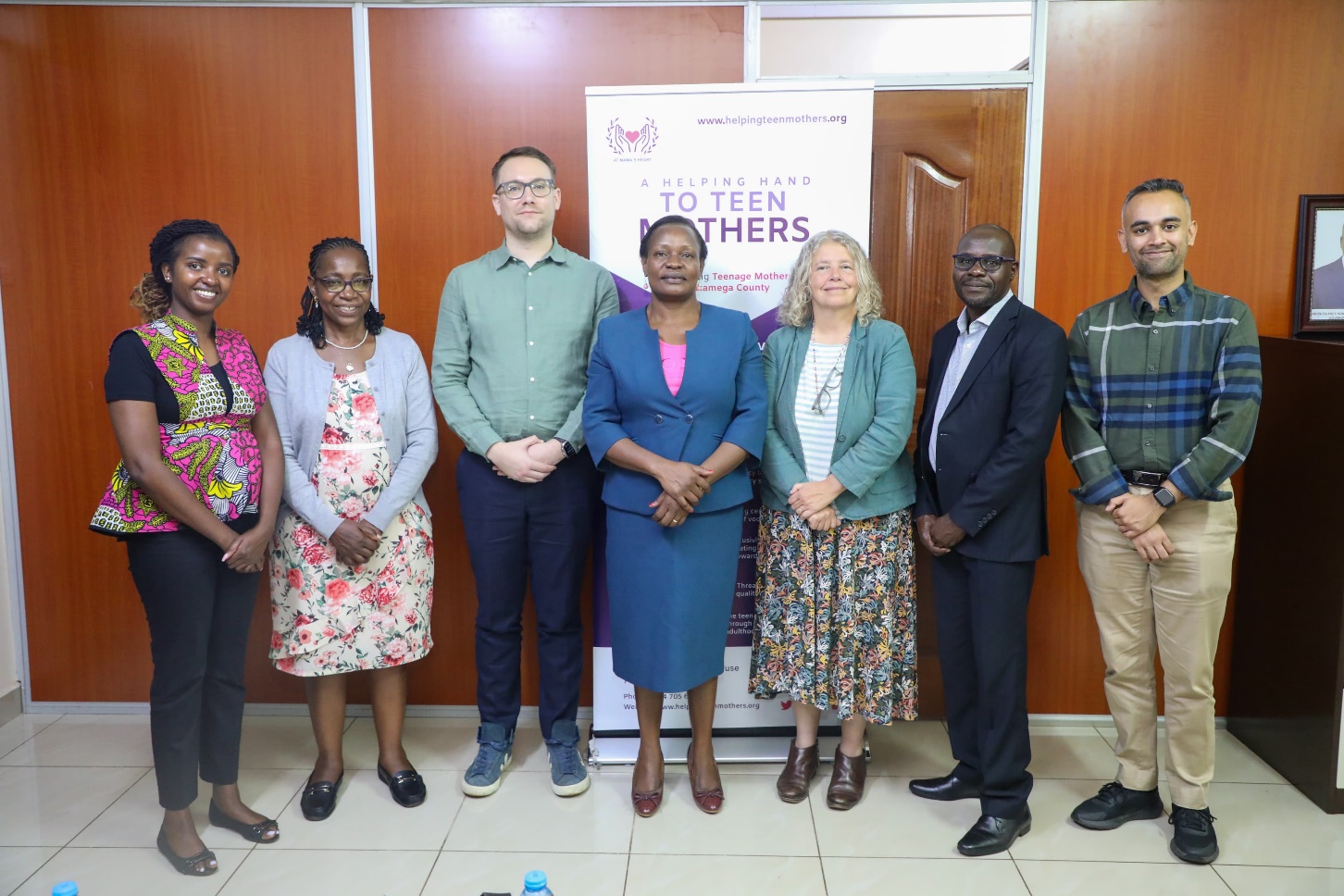
Background At the 14th Task Force Meeting on Food and Nutrition Development convened by the African Union Commission (AUC) in...
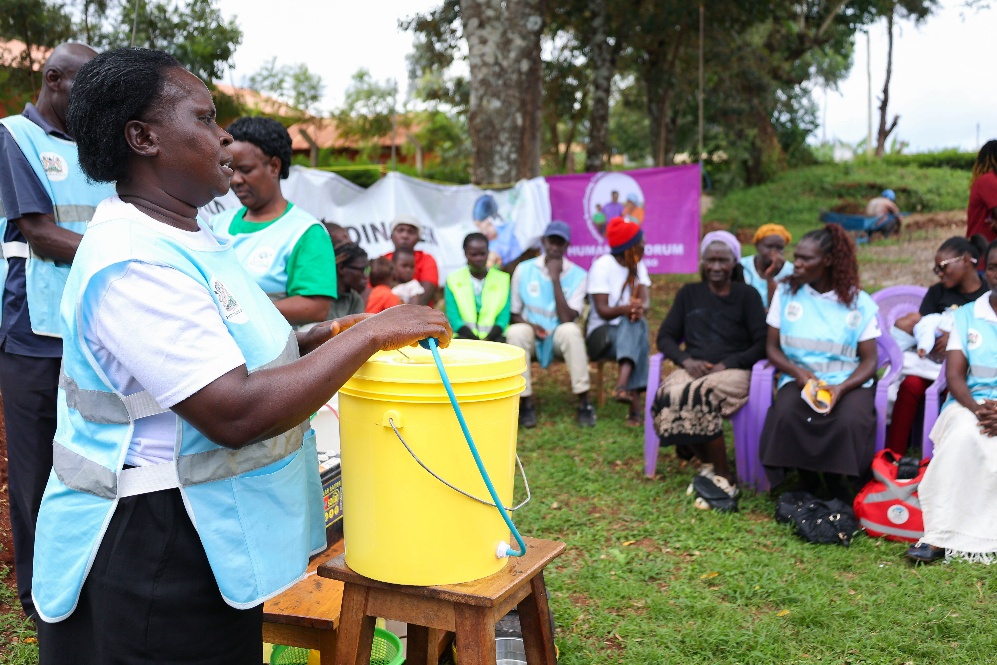
Kenya’s nutrition scorecard tool was launched nationally in 2020. It was then decentralised to county and sub-county levels to help...
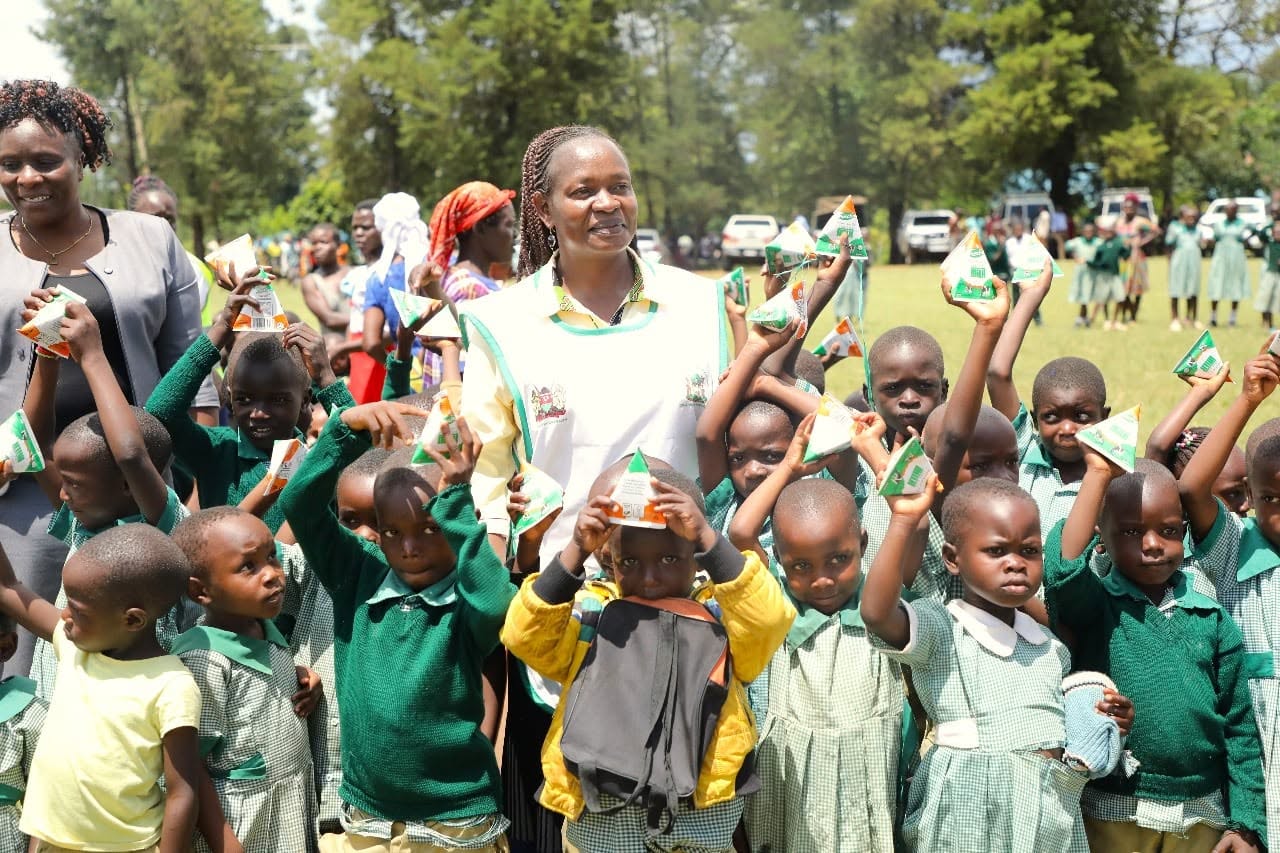
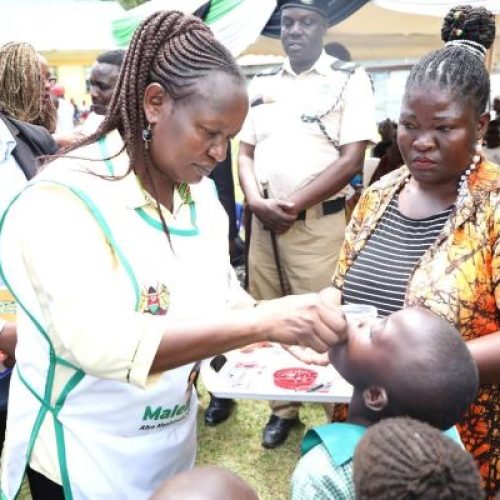
Led county government health officials in launching Malezi Bora week, an initiative aimed at accelerating the uptake of mother-child health...
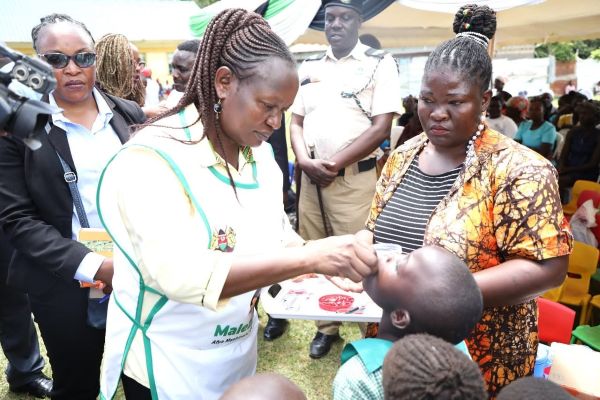
Together with county government health officials made visits to different homes in Ikolomani Sub-County in a bid to enhance Vitamin...