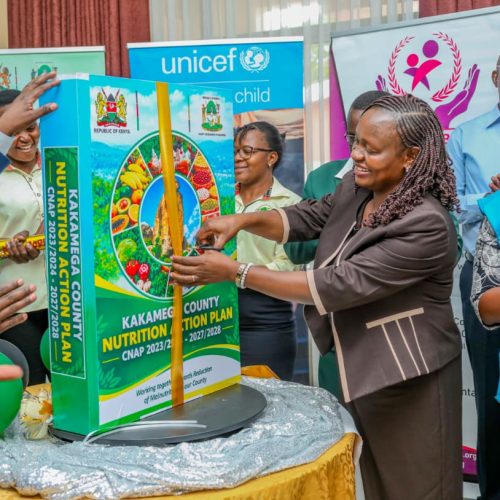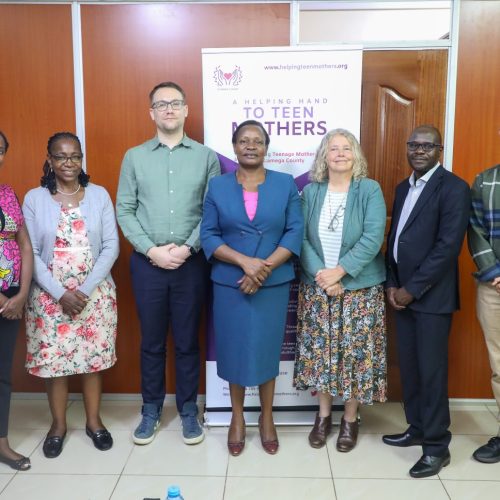
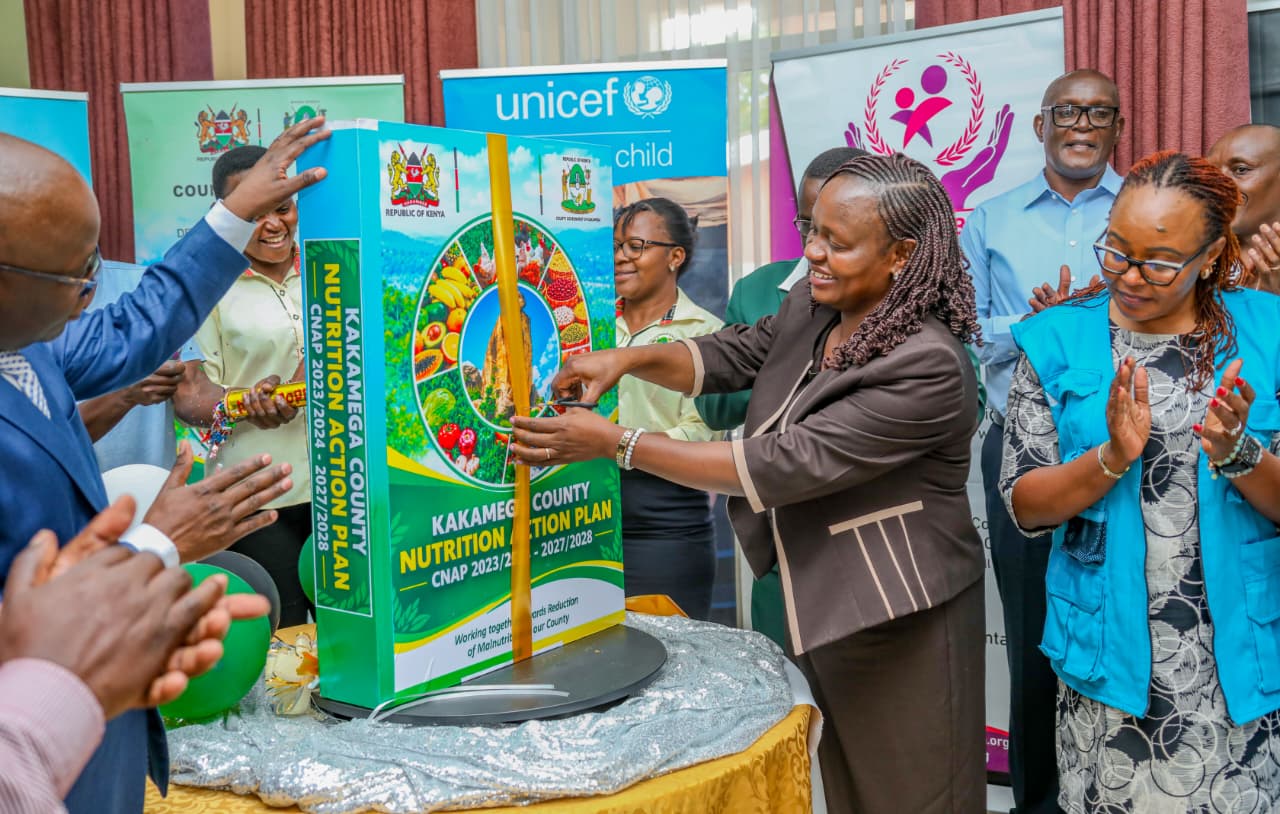
The County Government of Kakamega has launched the County Nutrition Action Plan (CNAP) 2023/2024–2027/2028 and the Kakamega County Nutrition Information Portal (KCNIP) in a renewed effort to address malnutrition and achieve a malnutrition-free county. The launch, held at Golf Hotel in Kakamega, was graced by the County First Lady and County Nutrition Champion, Prof. Janet Kassilly Barasa, who commended Governor Fernandes Barasa’s administration for its commitment to improving nutrition outcomes. She also appreciated implementing partners for their continued support in developing the five-year multisectoral framework aimed at tackling malnutrition across all stages of life. Prof. Barasa noted that the new County Nutrition Action Plan provides a comprehensive roadmap for addressing malnutrition through coordinated interventions across health, agriculture, education, water and social protection sectors. She highlighted the progress made under the previous plan, which saw malnutrition prevalence in the county decline from 28.4 per cent in 2014 to 11.5 per cent in 2022, with a target of reducing it further to 8 per cent by 2028. She observed that the county continues to face the triple burden of malnutrition, including childhood stunting, anaemia among expectant mothers, and rising cases of overweight and diet-related diseases, largely attributed to food insecurity and inadequate dietary diversity. Prof. Barasa pledged to continue championing the nutrition agenda through resource mobilisation and strengthened partnerships to ensure effective implementation of the plan. Representing implementing partners, UNICEF’s Ms. Janet Ntwiga highlighted the Kakamega County Nutrition Information Portal as a key intervention that, alongside the CNAP, will strengthen evidence-based decision-making, accountability and monitoring of nutrition programmes. Supported by the European Union and UNICEF, and implemented through KNBS and KIPPRA, the initiative seeks to enhance the county’s capacity to track progress and equip policymakers and programme planners with evidence to inform the design and implementation of nutrition-related policies and programmes. It is linked to the National Information Platform for Nutrition (NIPN). The event was attended by County Executive Committee Members CPA Livingstone Imbayi (Health Services), Morphat Mandela (Agriculture) and Dr. Bernard Amwayi (Education), alongside Chief Officers, Directors, the County Nutrition Coordinator, County MST, Community Health Promoters, county staff and implementing partners, including KMET, JHPIEGO, K-BIAN and ICS-SP.
Nutrition scorecard in Kakamega County, Kenya
Background At the 14th Task Force Meeting on Food and Nutrition Development convened by the African Union Commission (AUC) in April 2024, Kenya received commendation for its remarkable strides in addressing the triple burden of malnutrition—overnutrition, undernutrition, and micronutrient deficiencies over the past year. This progress is reflected in the Kenya Demographic and Health Survey (KDHS) 2022, which shows significant reduction in the prevalence of stunting among children under five years of age from 26% in 2014 to 18% in 2022.Through the Kenya Nutrition Action Plan (KNAP) 2018-2022, now under revision, the country seeks to accelerate efforts to scale up interventions aimed at eliminating malnutrition. In the western part of the country, about 30km north of the equator, sits Kakamega County, one of the 47 geographic regions in Kenya. Consisting of 12 sub counties (subregions), Kakamega is home to a population of approximately 1,867,579 people, whose economic activities primarily involve cash crop and food crop farming (Kenya Population and Housing Census, 2019). Kakamega County faces a triple burden of malnutrition due to food shortages and inadequate dietary diversity. According to the 2021 Agricultural Policy, food insecurity in the county stands at 33%, with 60% of households unable to access minimum diverse diets. Furthermore, stunting levels among children under five in the county stand at 12%, with wasting and underweight levels at 2% and 5% respectively (KDHS, 2022). Nonetheless, the county is committed to addressing the underlying causes of malnutrition, especially among the most vulnerable, including children under five and pregnant and lactating women (PLW), through various programs and interventions. Among these interventions is the decentralisation of the nutrition scorecard in 2021 at both county and subcounty levels. This followed the development of the national nutrition scorecard in 2019 with support from ALMA in partnership with UNICEF, Save the Children, Kenya Red Cross Society, Action Against Hunger and Terre des Hommes. The scorecard, encompassing 13 national and 17 sub-national indicators across six categories, was officially launched in 2020 and has since been decentralised to 32 counties, including Kakamega County. Malnutrition: The country seeks to accelerate efforts to scale up interventions aimed at eliminating malnutrition. Stunting among children under five: 26% in 2014 18%in 2022 33% Food insecurity: 60%of households unable to access minimum diverse diets The scorecard was officially launched in 2020 Adoption and utilisation of the nutrition scorecard Without data, decision-making is like walking in the dark. The scorecard has transformed our approach by providing the necessary guidance. We have adopted it for all decision-making processes, ensuring its use in quarterly and strategic meetings, and in discussions with partners and within our team. Margaret Oyugi – Nutrition Coordinator, Kakamega County Decentralisation involved identifying key personnel at county and subcounty levels for training on the scorecard. This led to two training cohorts in 2022 and 2023 targeting nutritionists, health record officers, nurses, Health Management Teams (HMT), and nutrition sensitive sector leads. To date, progressive training of Community Health Assistants and promoters continues. Subsequently, the county has integrated the nutrition scorecard into routine decision-making processes, including: Incorporating the scorecard into all nutrition meetings particularly data review meetings to inform interventions Implementing quarterly reporting from the subcounty using the scorecard Facilitating high-level reporting by the nutrition program Engaging stakeholder and multi-sectoral nutrition platforms and technical working groups (TWGs) Impact Case study 1: sustaining Vitamin A supplementation in Kakamega County Background For several years, Kakamega County received support for Vitamin A supplementation through a program supported by Helen Keller International. This support involved financial aid at the end of each semester, enabling the distribution of Vitamin A to 90% of the children in the county. However, in late 2023, Helen Keller International announced their plans to close out the program. Challenge The withdrawal of support from Helen Keller International posed a significant challenge. The county’s dependence on external assistance meant that, without it, coverage would drop drastically to less than 20%. This necessitated an urgent re-evaluation of the county’s approach to continue providing Vitamin A to children aged 12-59 months. Strategic response In response, Kakamega County officials sat down with representatives from Helen Keller International to discuss the progress made in achieving the Vitamin A supplementation indicator, using the scorecard as an advocacy tool. Recognising the need for a sustainable solution, the county proposed an integrated approach involving multiple departments and community resources. The proposed strategy involved the following: Collaboration with the Department of Education: Training Early Childhood Development (ECD) teachers to drive up Vitamin A administration. Involvement of the Department of Agriculture: Utilising agricultural extension workers to promote and support efforts. Leveraging the Community Health Strategy: Engaging Community Health Promoters (CHPs) to reach children in households. Utilisation of Healthcare Facilities: Training healthcare workers across all county health facilities to incorporate Vitamin A distribution into routine services. Implementation In early 2024, the county sought transitional support from Helen Keller International to facilitate the necessary training for this new approach. Helen Keller International agreed and provided 8 million Kenya Shillings (approx. 49,430 USD) in February. This funding was used for a comprehensive six-week training program, which included: Training 927 Early Childhood Development (ECD) teachers from both public and private centres to identify children eligible for Vitamin A administration based on their birthdays. Training 4,250 Community Health Promoters (CHPs) to ensure household coverage. Training staff across all 320 healthcare facilities in the county to integrate Vitamin A supplementation into regular health services. Outcome By the end of the semester, with no further external support, the newly trained teachers, CHPs, and healthcare workers successfully distributed Vitamin A, reaching 80% of the children in the county. This marked a significant achievement in the county’s ability to sustain and manage the Vitamin A supplementation program independently and the potential for long-term sustainability. Generally, routine Vitamin A supplementation is very low across the country. Vitamin A supplementation is only high during quarters when Malezi Bora campaigns are conducted. Case study 2: Implementing a multisectoral approach to nutrition in Kakamega County Background In Kakamega County, the need for an efficient
Using the nutrition scorecard to improve child nutrition in Kakamega County, Kenya
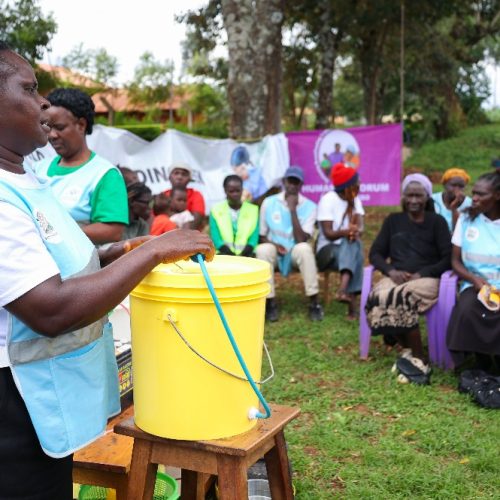
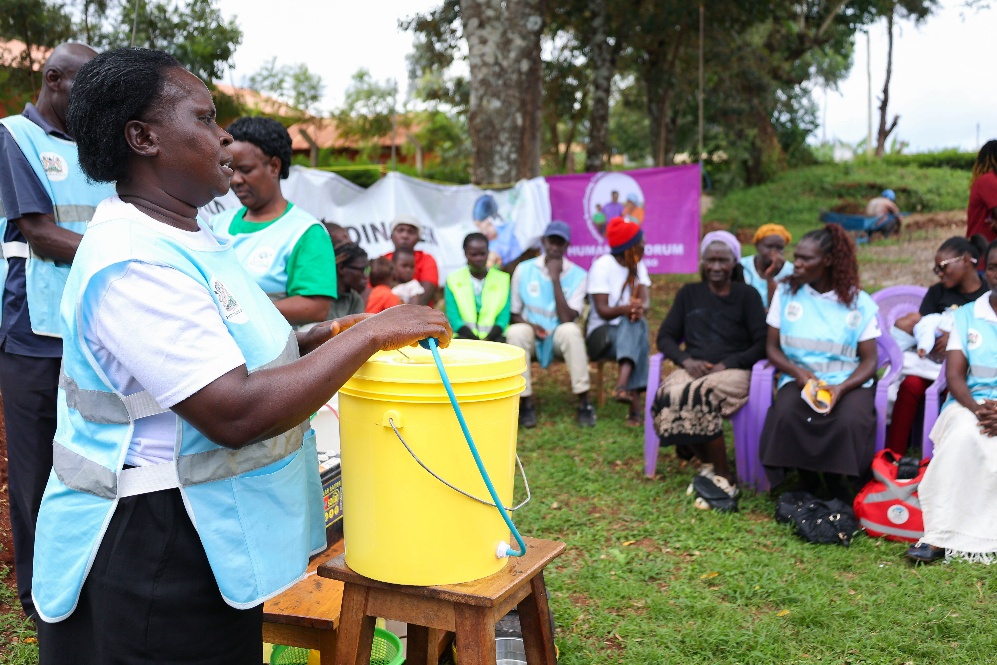
Kenya’s nutrition scorecard tool was launched nationally in 2020. It was then decentralised to county and sub-county levels to help health teams identify and address gaps in nutrition programmes. Kakamega County, in western Kenya, began its action and accountability journey in 2022, adopting the scorecard with seven prioritised indicators. The scorecard is a living diagnostic tool that catalyses data-driven decision-making. The challenge At Kamuchisu health centre in Malava Sub-County, children enrolled in the Supplementary Feeding Programme to tackle malnutrition received ready-to-use therapeutic foods and fortified blended flours, but many failed to exit within the recommended two-month window. Recovery rates stagnated, and dependency on the programme deepened. Frequent stockouts of therapeutic commodities left children without the supplies needed to recover. In Nzoia Sub-County, a different but persistent challenge emerged. Most mothers left home for long periods to do casual farm labour, such as weeding, planting, and harvesting. With no refrigeration and no breast milk substitute, infants were left with family members who fed them solid foods. This undermined exclusive breastfeeding and put infants at nutritional risk. The underlying issue in both communities was that most households were economically disadvantaged and food insecure. Cash crop farming dominated agricultural land, limiting subsistence food production. Gaps in nutrition knowledge, food diversity, and child feeding practices made the problem worse. As a result, both regions recorded high rates of malnutrition. In 2023, shortly after the facility had opened its doors, 20% of the children we saw at the clinic presented with signs of malnutrition. Wycliffe Juma, nursing officer in-charge, Nzoia Dispensary How the county responded In 2024, to address these challenges, county and sub-county teams designed responses rooted in community ownership, local knowledge, and use of local resources. Interventions included community-based management of acute malnutrition, rolling out the Baby Friendly Community Initiative, and integrating WASH (water, sanitation, and hygiene) programming. Community-based management of acute malnutrition Recognising that facility-based interventions alone were insufficient, the county trained community health promoters (CHPs) to identify, manage, and follow up on malnourished children at home. The health promoters received nutrition screening kits to conduct household assessments and record findings in mother-child booklets. This approach closed gaps in care; if a child missed facility screening, a health promoter could identify them at home. At Kamuchisu, health promoters reached 67 children initially identified as malnourished with this approach. Community dialogues helped identify the root causes of the issues. Health teams found most families depended on cash crop income and lacked dietary diversity. With the causes identified, health promoters: led cooking demonstrations trained mothers and caregivers on balanced feeding for all ages set up kitchen garden demonstration sites to promote subsistence food production. Households received seedlings for leafy green vegetables, vitamin A-rich vines, and guidance on raising small animals like hens for eggs to improve food diversity. The Baby Friendly Community Initiative and mother support groups In Kamuchisu and Nzoia, the county nutrition team rolled out the Baby Friendly Community Initiative (BFCI). This initiative is a community-based Ministry of Health programme. It enables communities to adopt high-impact nutrition initiatives, including: optimal breastfeeding appropriate complementary feeding maternal nutrition environmental sanitation hygiene During a scorecard review session, we concluded that if we rolled out this programme, we would be able to manage children at the community level using the locally available resources. That is the readily available foods rather than the supplementary dietary items that the county occasionally provides. Margaret Oyugi, county nutrition coordinator, Kakamega County With the support of community health promoters, pregnant women and mothers of children under two joined structured mother-to-mother support groups, an approach recommended by the Baby Friendly Community Initiative. These groups provide a consistent platform for nutrition education, peer learning, growth monitoring, and feeding support, ensuring every new mother is welcomed into a network of knowledge and accountability. The mother-to-mother support groups continued to be helpful even after delivery. A community health promoter (CHP) was assigned to me to help initiate breastfeeding and to support me in exclusively breastfeeding my son for the first six months. The health promoter regularly monitored my progress through home visits. Currently, we have 12 mother-to-mother support groups and three teen mother support groups in my community health unit. Vivian Moraa, community member and Baby Friendly Community Initiative beneficiary Group members support each other through pregnancy, birth, and the crucial first two years of a child’s life, when nutrition matters most. At the health centre in Nzoia, implementation of the Baby Friendly Community Initiative led to the creation of a resource centre that serves as a knowledge hub for these groups, covering food groups, breastfeeding, maternal nutrition, and child feeding. For the last two quarters, we have not reported any cases of underweight or malnourished children. Wycliffe Juma, nursing officer in-charge, Nzoia Dispensary Integrating WASH (water, sanitation and hygiene) Malnutrition and waterborne disease form a mutually reinforcing challenge, with diarrhoea depleting a child’s nutritional status, while malnutrition weakens immune defences against infection. Nzoia’s community health unit addressed this by embedding a WASH (water, sanitation, and hygiene) component within its Baby Friendly Community Initiative programme. With support from Safe Water International Ministry, the community received chlorine-producing machines, giving households a reliable, low-cost water treatment solution. A partnership with Hope to Others also provided water filters as an additional option. These interventions have reduced diarrhoeal disease among children in the area, breaking the cycle that undermined nutrition recovery. Community health promoters show a group of young mothers how they can easily clean water at home and reduce diarrhoea among their children. Sustainability and community ownership In the Kamuchisu community health unit, health promoters recognised that malnutrition is also driven by economics. They encouraged mother-to-mother support groups to start income-generating activities. One initiative is table-banking, where group members contribute to a collective fund that is distributed to each member on a rotating basis. With the community health promoters’ encouragement, members have used proceeds to buy dairy cows, giving households a steady source of milk and improving nutrition for families with young children. Community health promoters are
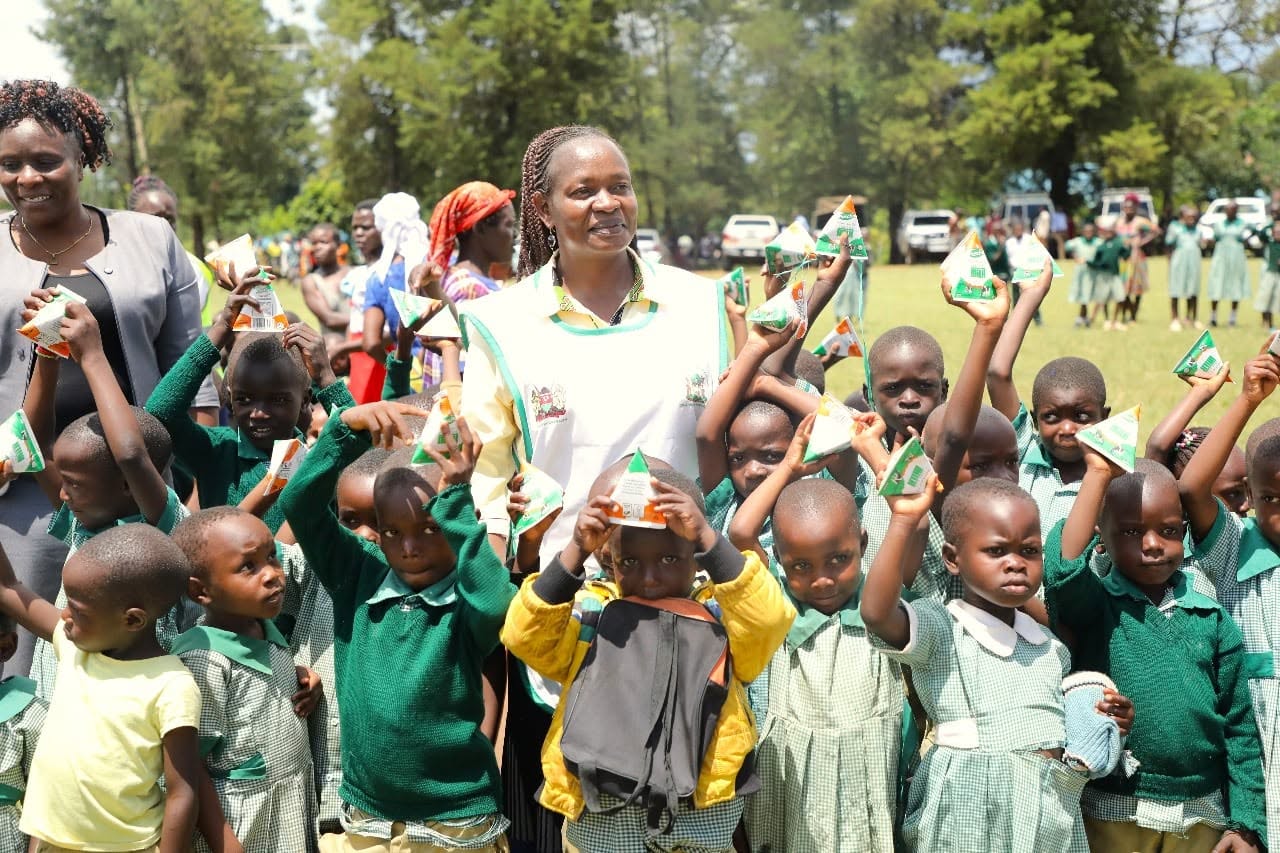
MALEZI BORA WEEK LAUNCHED IN KAKAMEGA COUNTY
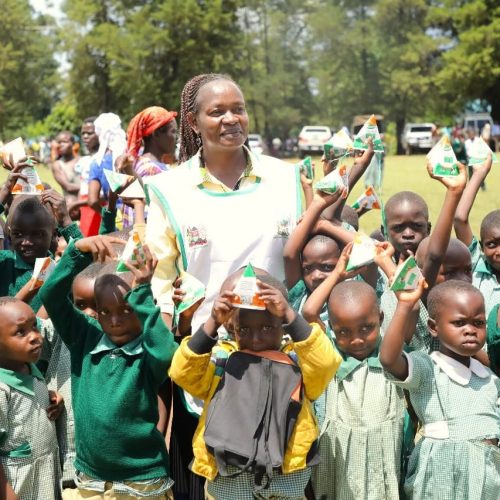
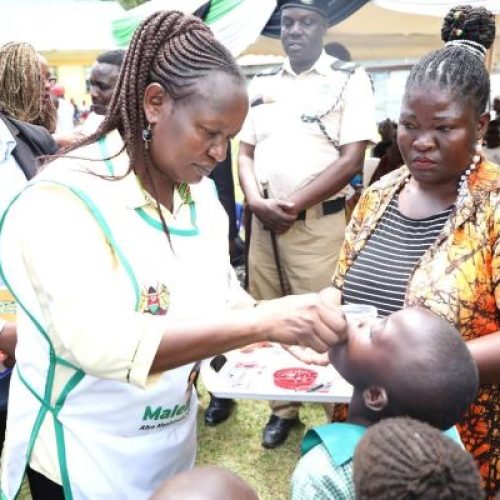
Led county government health officials in launching Malezi Bora week, an initiative aimed at accelerating the uptake of mother-child health and nutrition services, at Shivagala Primary School, Idakho Central Ward in Ikolomani Sub-County. Highlighted why it is important to set good health foundation for children below 5 years. Giving children vitamin A supplements enhances their immunity, reduces the severity of many childhood infections, enhances proper functioning of the eyes and improves vision. Noted that though county indicators for health and nutrition have been improving over the years, much more needed to be done to ensure mothers and children enjoy quality lives. Further noted that cases of Malnutrition in the county where 12% of the children are still stunted is one of the areas that needed to be focused on to scale down the stunted growth rate. Indicated that It is in this regard, giving vitamin A supplementation to children continue to be a focus for the county government through Malezi Bora, which as the name suggests, simply means good upbringing. Apart from giving vitamin A supplements to children, implored mothers in the county to attend antenatal clinics during pregnancy because the mother’s health forms the foundation of the child to be born. As the county nutrition champion, called on health caregivers at the health facilities to ensure breastfeeding mothers are given nutrition education that includes breastfeeding their children exclusively for 6 months. Lauded ECDE teachers for being key pillars in the upbringing of the young souls and urged them to assist in promoting their wellbeing by ensuring they get the supplements. Directed the department of health to put in place strategies on how best to work with department of ECDE in ensuring that all children below the age of five years are fully immunized and supplemented with vitamin A. Today’s event saw ECDE pupils receive milk and upper primary learners get sanitary pads. Present at the event were Area MCA Hon. Amos Liyai and First spouse Ms. Lilian Liyai, Directors: Dr. Steve Wandei ( Medical Services), Mr. Titus Mumia ( Health Administration, Planning and Budgeting), Nutrition Coordinator Ms. Margaret Oyugi, Ikolomani Sub-County MOH Dr. Michael Watamba, USAID Kenya Boresha Jamii coordinator Ms. Rachel Kavithe, GBV coordinator Ms. Rose Muhanda Ikolomani ECDE coordinator Ms. Christine Ambaisi and the H/T Mr. Antony Napali among other stakeholders.
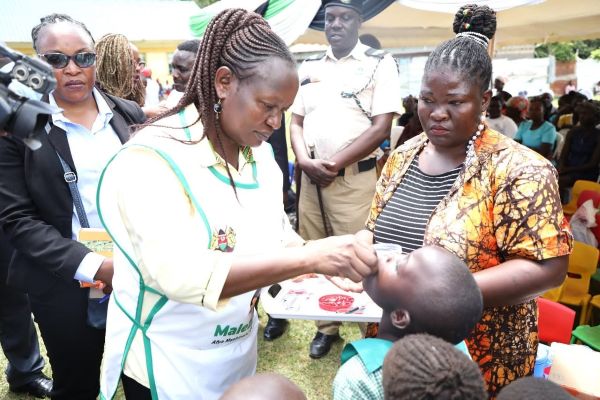
HOME-VISITS TO ENHANCE VITAMIN A SUPPLEMENTATION TO THE VULNERABLE
Together with county government health officials made visits to different homes in Ikolomani Sub-County in a bid to enhance Vitamin A supplementation among the vulnerable people. Got concerned on realizing that most households, especially those living in extreme remote areas, often have limited access to healthcare services. Bringing vitamin A supplements directly to the residents therefore ensures that they receive the necessary nutrients for their well-being. The households we visited received vitamin A supplements and foodstuffs.